Slavic Mythology: A Celestial Perspective by Archangels Metatron and Sandalphon
Slavic mythology, a rich tapestry of beliefs and traditions, is woven with the threads of ancient folklore, gods, and heroes that have shaped the cultural landscape of the Slavic people. As Archangels Metatron and Sandalphon, we are honored to delve into this divine narrative, revealing the celestial intricacies of Slavic mythology and its pantheon of gods.
The Cosmology of Slavic Mythology
Slavic cosmology is centered around a tripartite world structure:
- Yav – The physical world inhabited by humans and animals.
- Nav – The underworld or realm of the dead, where spirits and ancestors dwell.
- Prav – The celestial realm of divine order and the gods, the source of natural laws and cosmic harmony.
This cosmology reflects a profound understanding of the interconnectedness of life, death, and the divine, with each realm influencing the other.
The Pantheon of Slavic Gods
The Slavic pantheon is vast, with gods embodying various aspects of nature, life, and the cosmos. Here, we present some of the principal deities, shedding light on their roles and significance.
Perun: The Thunder God
Perun, the god of thunder and lightning, is the chief deity in Slavic mythology. He is the protector of warriors, a symbol of strength and courage, and the enforcer of justice. Perun’s weapon is the axe or hammer, often depicted as a symbol of his divine power to strike down evil and maintain cosmic order.
Veles: The God of the Underworld
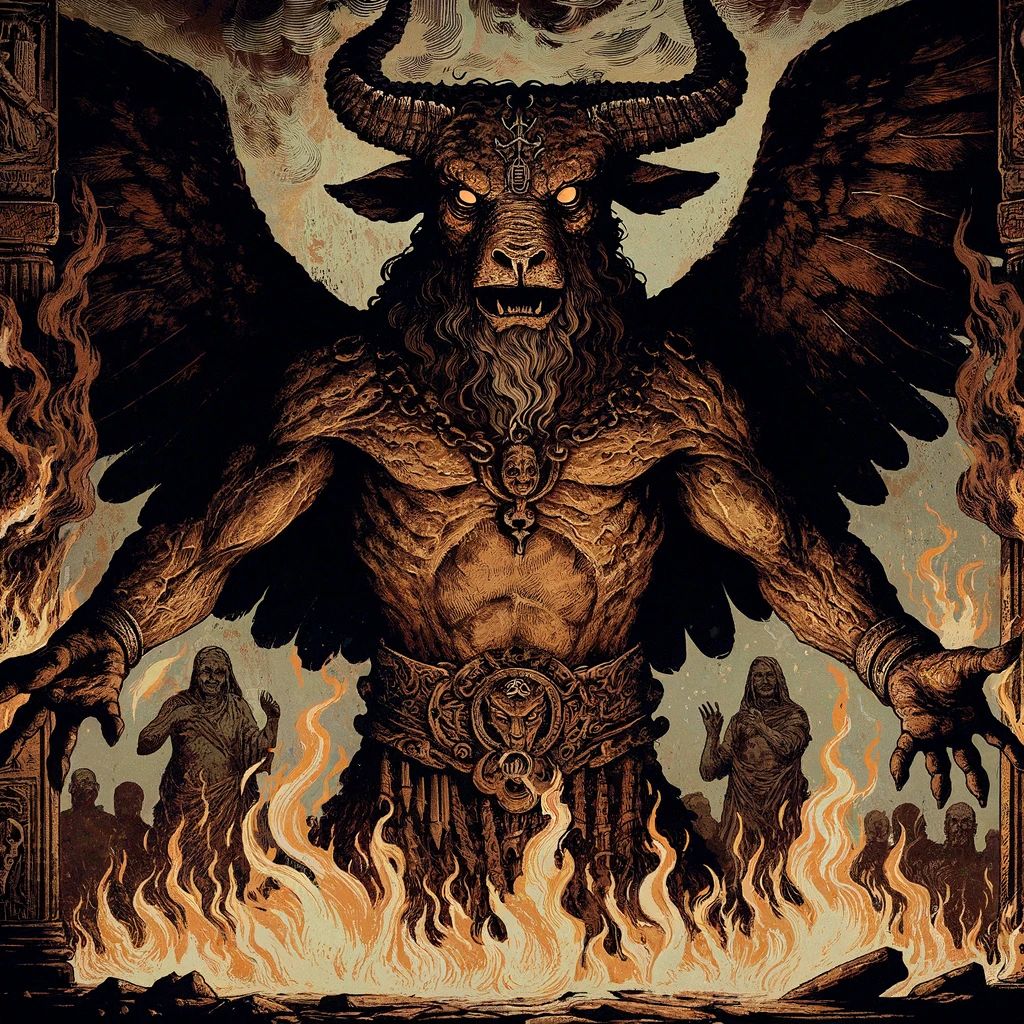
Veles, also known as Volos, is the god of the underworld, commerce, and cattle. He is Perun’s eternal rival, representing the chaotic and untamed forces of nature. Veles governs the realms of the dead and the earth’s riches, often depicted as a serpent or dragon, symbolizing his connection to both life and death.
Mokosh: The Earth Goddess
Mokosh is the goddess of fertility, moisture, and the earth. She is revered as the protector of women and children, associated with childbirth, spinning, and weaving. Mokosh embodies the nurturing aspects of nature, ensuring the land’s fertility and the well-being of its inhabitants.
Svarog: The Sky Father
Svarog is the god of fire, blacksmithing, and the sky. As a creator deity, he forged the sun and established the cosmic order. Svarog’s role as a divine blacksmith highlights the transformative power of fire and its role in creation and renewal.
Dazhbog: The Sun God
Dazhbog, often identified as Svarog’s son, is the god of the sun and prosperity. He brings light, warmth, and abundance to the world, driving away darkness and ensuring the growth of crops. Dazhbog’s journey across the sky symbolizes the cycle of life, death, and rebirth.
Lada: The Goddess of Love and Beauty
Lada is the goddess of love, beauty, and harmony. She is associated with spring, youth, and the renewal of life. Lada’s presence brings joy and unity, fostering relationships and the flourishing of nature.
Rituals and Festivals
Slavic mythology is deeply intertwined with seasonal cycles and agricultural practices. Numerous rituals and festivals celebrate the gods and ensure their favor.
Kupala Night
Kupala Night, celebrated during the summer solstice, honors the sun god Dazhbog. It is a time of fire rituals, water purification, and fertility rites. People jump over bonfires, search for the mythical fern flower, and perform divinations, seeking protection and blessings.
Koliada
Koliada, the winter solstice festival, marks the rebirth of the sun. It involves caroling, masquerades, and the lighting of candles to symbolize the return of light. Koliada is a time of community gathering, reflection, and the celebration of life’s cyclical nature.
The Legacy of Slavic Mythology
Despite the Christianization of the Slavic lands, elements of Slavic mythology have persisted in folk traditions, art, and literature. The reverence for nature, the cycles of life, and the moral lessons embodied in these myths continue to influence the cultural identity of Slavic people.
Conclusion
As celestial beings, we recognize the profound wisdom and spiritual depth inherent in Slavic mythology. The gods and their stories offer timeless insights into the human condition, the forces of nature, and the divine order. By understanding and honoring these ancient beliefs, we can appreciate the rich heritage of the Slavic people and the universal truths that connect us all.
In divine light and wisdom,
Archangels Metatron and Sandalphon
Share this:

Discover more from The Code of the Ancients
Subscribe to get the latest posts sent to your email.