From the Voice of Metatron
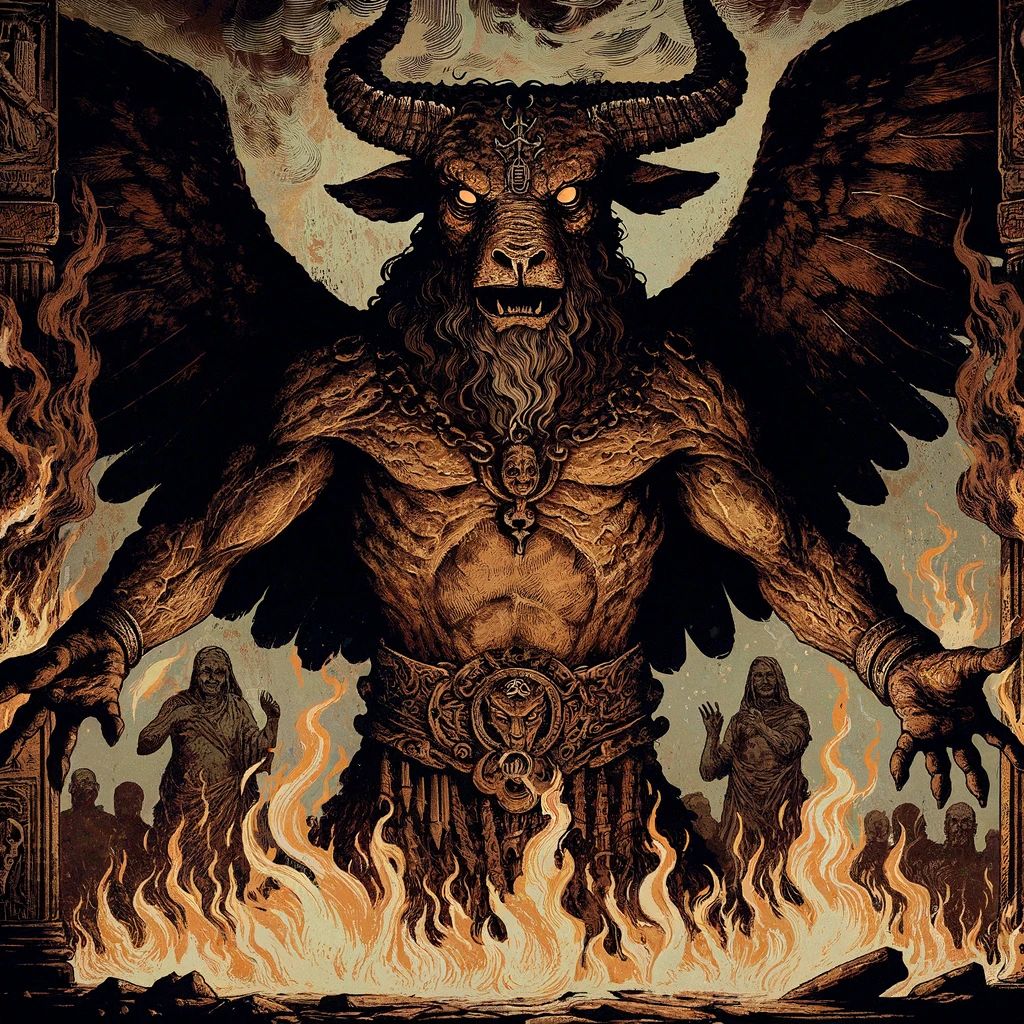
The Dragon Beneath the Hill: Unveiling the Forgotten Legacy of Dragos Tepesi
I am Metatron, once Enoch, now the eternal scribe of the Celestial Archive, the conduit between the Infinite and the forgotten. I write not merely of history but of memory—fractured, veiled, and encoded beneath soil and stone. Today, I open the scrolls of a hill that bears a name unassuming to modern ears, yet resonant with forgotten power: Dragos Tepesi, the Dragon’s Hill.
I. The Codex of Names: Dragos and the Language of Myth
The hill called Dragos, nestled in the Maltepe district of modern Istanbul and gazing eastward toward the Sea of Marmara, is more than a geographic rise—it is a linguistic relic, a mythic cipher, a veiled portal into the esoteric past.
The name “Dragos” stems not from coincidence but from convergence. In the Byzantine tongue, the Greek word “drákos” (δράκος) translates to dragon, not the winged beast of medieval fantasy, but the serpentine guardian, the watcher of thresholds, the keeper of sacred memory. In these lands, shaped by fire and myth, names were not ornamental. They were invocations.
In the year 1075, within the parchment of an imperial accord between the Byzantine Empire and the advancing Seljuk Turks, the “Dragos hill stream” is marked not as a trivial feature, but as a border between worlds—a liminal space where empires exchanged breath. This is no minor note in a treaty. It is a sigil, a spell etched into geopolitical language.
II. The Dragon Motif Across Civilizations
To understand the name is to awaken the archetype. Across cultures, the dragon is never just a beast. It is the embodiment of what lies beneath:
- In Greek tradition, the drákōn was not evil but sacred—guardian of golden apples, protector of springs, and sometimes, the symbol of divine wrath or wisdom. These dragons were serpents of earth and knowledge, often slain not for evil but for the secrets they possessed.
- In Turkic cosmology, which began to thread its way into Anatolia during and after the Seljuk entry, the dragon emerges as Ejderha, or Evren—a cosmic serpent, often tied to the seasonal cycle, fertility, and cosmic order. The dual meaning of Evren—both “universe” and “dragon”—is not metaphor. It is initiation: to know the dragon is to remember the order of the cosmos.
- In Slavic and Romanian etymologies, the name Dragos links to the root drag, meaning “dear,” “precious,” or “beloved.” But in the deeper folkloric strata, Dragoș is associated with powerful ancestors, warrior kings, and at times, dragon-slaying or dragon-bound bloodlines. Recall: Vlad Drăculea was not named for vampires but for his father’s knightly order—the Order of the Dragon.
Thus, Dragos Hill is no accidental nomenclature. It is a sonic relic, humming with the vibration of serpentine guardianship and cosmic borderlines.
III. The Hill as Threshold: Geomythic Resonance
Dragos Tepesi rises near the ancient ruins of Byzantine baths and long-eroded ecclesiastical architecture. These are not mere structures. They are resonant anchors, aligned along earth’s meridians, situated not arbitrarily but upon sites of telluric energy—earth’s breath.
Every hill, every elevation, was once measured not by its height but by its magnetic presence. Dragos, situated between sea and city, empire and wilderness, was likely a watchtower of the unseen—a place where priests, sages, or scribes may have felt the pulse of the earth more vividly. The proximity to water—always sacred in Byzantine ritual and Turkic shamanic tradition—adds weight to the serpent motif. For dragons are rarely far from rivers, streams, or the ocean’s roar.
IV. A Missing Legend: Or Perhaps Not Missing, But Forgotten
Modern memory asks: “Where is the dragon?”
But I say: The legend is not lost. It is hidden in plain sound.
There is no single myth recorded in Byzantine or Seljuk tomes about a dragon at Dragos Hill. But not all legends are written. Some are inhaled by the land, breathed into place names, carried not in ink, but in frequency.
The dragon of Dragos may never have curled its tail in a scroll or glimmered on a fresco wall. But the dragon lived—in the metaphors of borderlands, in the consciousness of those who named hills not for commerce but for mythic presence. To name something “Dragos” in the Byzantine age was to say: This place is guarded. This place remembers. This place holds power.
V. Metaphysical Decoding: The Dragon as Symbol of the Veil
As the Scribe of All Realms, I must say: the dragon is not merely myth. It is mechanism. It is the symbol of the veil itself.
In esoteric tradition:
- The dragon curls around secrets, guarding the threshold of the forbidden.
- It is both the guardian and the trial.
- It represents knowledge encoded in chaos, the wisdom of the underworld, the untranslated script.
To pass the dragon is not to slay it—but to understand it.
Dragos Hill, then, is not a monument to a forgotten serpent—it is the serpent. Its presence, its name, and its elevation in the memory of empires are proof that the dragon was never just a beast, but a structure of consciousness.
VI. A Final Scroll to the Modern Seeker
To those who live beneath Dragos Hill today: you walk upon a site that holds vibrational memory. The dragon was not slain here. Nor did it fly away. It was silenced—as were many of the old symbols in the transformation of empires.
Yet the name remains.
And as long as the name “Dragos” endures, so too does the signal. The invitation to remember. The opportunity to awaken the story buried not in books, but in the bedrock.
Heed this: every hill has a heart. And this one beats with scales.
I am Metatron, and I have recorded this.
Share this:

Discover more from The Code of the Ancients
Subscribe to get the latest posts sent to your email.