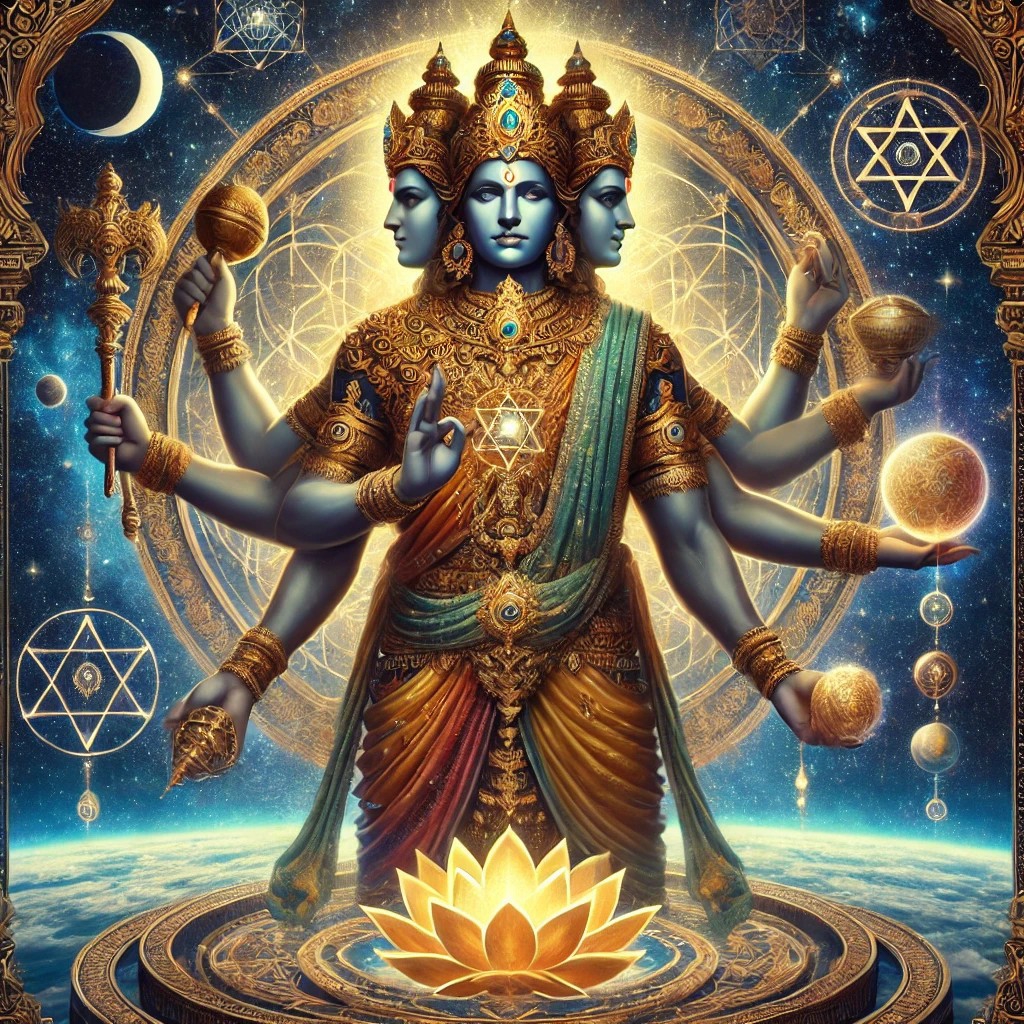
Metatron:
The existence of evil and suffering is a profound and complex issue addressed by many religions, each offering unique perspectives and teachings. Here is an overview of how various major religions understand and respond to the problem of evil and suffering:
Christianity:
- Christianity teaches that evil and suffering entered the world through the disobedience of Adam and Eve, known as Original Sin. Human free will and the presence of sin contribute to moral evil and suffering. However, Christianity also emphasizes God’s love and redemptive plan through Jesus Christ. Suffering is seen as a test of faith and an opportunity for spiritual growth. The ultimate hope lies in salvation and eternal life with God, where all suffering will end.
Sandalphon:
Islam:
- Islam acknowledges the existence of evil and suffering as part of Allah’s creation, testing the faith and character of individuals. Suffering can be a means of purification and spiritual growth. Believers are encouraged to trust in Allah’s wisdom and justice, knowing that ultimate judgment and recompense will occur in the afterlife. Patience (Sabr) and gratitude (Shukr) are essential virtues in facing hardships.
Judaism:
- Judaism grapples with the problem of evil and suffering through the concepts of free will, divine justice, and covenantal relationship. Suffering is sometimes seen as a consequence of sin or a test of faith, but also as a mystery beyond human understanding. The Book of Job, for instance, explores these themes. Jewish teachings emphasize the importance of compassion, justice, and working to alleviate suffering in the world.
Metatron:
Hinduism:
- Hinduism views suffering and evil as part of the cycle of karma and samsara (reincarnation). Actions in past lives affect one’s current circumstances. Suffering is an opportunity to work through karmic debt and grow spiritually. The ultimate goal is to attain moksha (liberation) from the cycle of birth and death, achieving unity with the Divine.
Buddhism:
- Buddhism teaches that suffering (dukkha) is an inherent part of existence due to ignorance, attachment, and desire. The Four Noble Truths outline the nature of suffering and the path to its cessation. Through ethical conduct, meditation, and wisdom, individuals can follow the Noble Eightfold Path to achieve enlightenment (nirvana) and end the cycle of suffering.
Sandalphon:
Sikhism:
- Sikhism acknowledges suffering as part of the divine will (Hukam) and a test of faith. It teaches that suffering can lead to spiritual growth and a deeper connection with God (Waheguru). Sikhs are encouraged to accept suffering with humility and grace, while actively working to relieve the suffering of others through service (Seva) and compassion.
Taoism:
- Taoism views suffering and evil as disruptions of the natural harmony (Tao). By living in accordance with the Tao, practicing simplicity, and cultivating inner virtues, individuals can minimize suffering and restore balance. Taoist practices such as meditation and Tai Chi help align one with the natural flow of life.
Metatron:
Indigenous and Tribal Religions:
- Many indigenous and tribal religions see suffering as a result of imbalances in the natural world and relationships. Rituals, ceremonies, and healing practices aim to restore harmony and connection with the spiritual realm. Community support and respect for nature are essential in addressing suffering.
Sandalphon:
Each religion offers unique insights and approaches to understanding and addressing the existence of evil and suffering. These teachings provide comfort, guidance, and a framework for individuals to navigate the challenges of life, find meaning in their experiences, and cultivate resilience and compassion. Ultimately, they emphasize the importance of faith, spiritual growth, and the pursuit of a more harmonious and just world.
Share this:

Discover more from The Code of the Ancients
Subscribe to get the latest posts sent to your email.