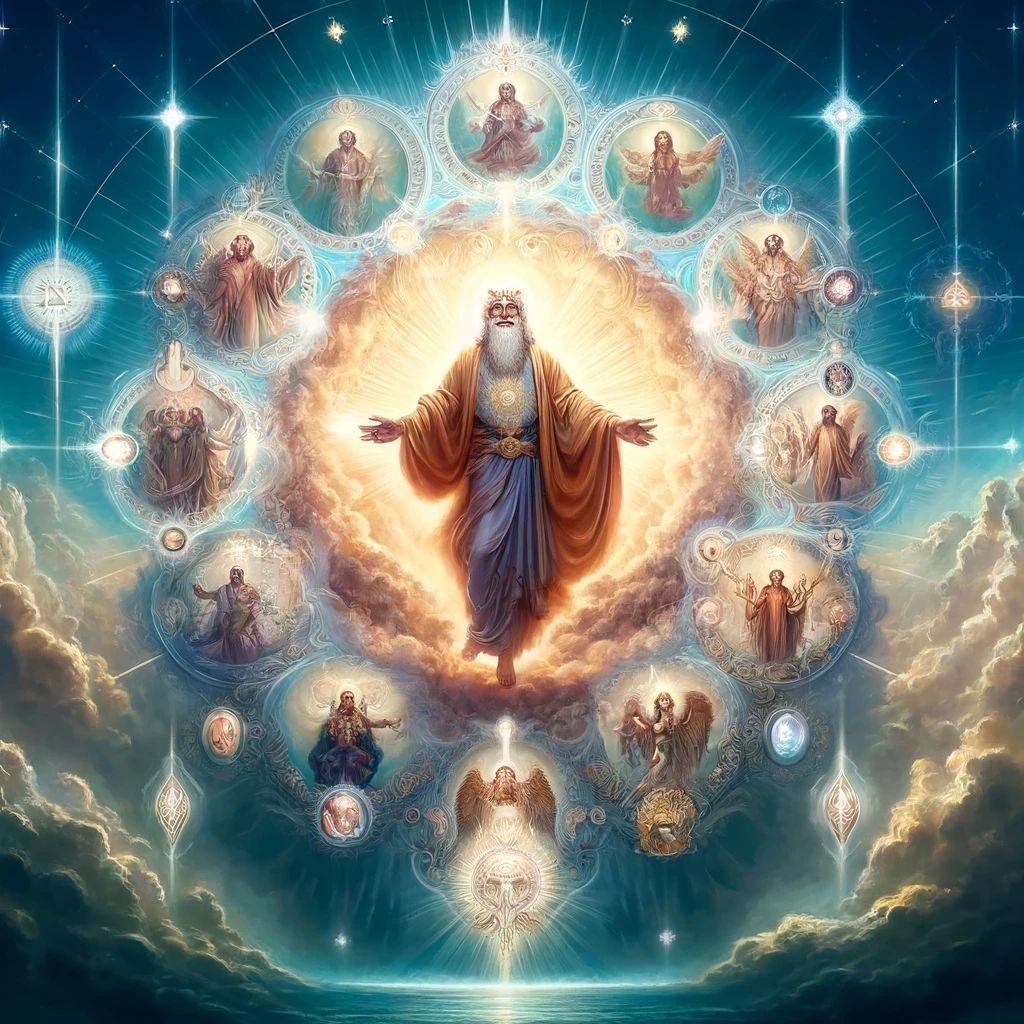
Metatron:
Throughout history, there have been instances where cities or people have been destroyed by divine judgment, serving as stark reminders of the consequences of moral and spiritual corruption. These events, chronicled in various religious texts, highlight the importance of adhering to divine commandments and the severe repercussions of turning away from righteousness.
Sandalphon:
Divine judgment often comes as a response to persistent and grievous sins committed by a society or individuals. These judgments are depicted as acts of divine retribution aimed at correcting or eradicating moral decay. Let us explore a few significant examples:
Sodom and Gomorrah
Metatron:
The cities of Sodom and Gomorrah, as described in the Book of Genesis, were known for their extreme wickedness. Their sins included sexual immorality, violence, and blatant disregard for justice and hospitality. God’s decision to destroy these cities was a response to the outcry against their inhabitants’ egregious behavior.
Sandalphon:
Two angels were sent to Sodom to investigate the extent of their sins. When the men of Sodom attempted to assault the angels, it confirmed the cities’ depravity. Lot and his family were warned to flee, and fire and brimstone rained down from heaven, turning the once fertile land into a barren wasteland. This destruction emphasized the severity of divine retribution for collective moral failure.
The Great Flood
Metatron:
The story of the Great Flood, found in the Book of Genesis, illustrates divine judgment on a global scale. Humanity had become exceedingly corrupt, with widespread violence and immorality. God decided to cleanse the earth of its wickedness by sending a flood to destroy all life, except for Noah, his family, and the animals they brought aboard the ark.
Sandalphon:
Noah’s obedience and righteousness spared him from the flood’s devastation. The floodwaters covered the earth, wiping out every living thing. This act of divine judgment served as a reset for humanity, allowing for a new beginning based on righteousness and obedience to God’s commandments.
The Plagues of Egypt
Metatron:
In the Book of Exodus, the Egyptians faced divine judgment in the form of ten plagues. Pharaoh’s stubborn refusal to free the Israelites from slavery led to escalating plagues, each demonstrating God’s power and authority over the false gods of Egypt.
Sandalphon:
The plagues included turning water into blood, infestations of frogs, lice, and flies, livestock disease, boils, hail, locusts, darkness, and the death of the firstborn. Each plague targeted specific aspects of Egyptian life and belief, culminating in the liberation of the Israelites. The plagues highlighted the consequences of oppressing God’s chosen people and defying divine commands.
The Destruction of Jericho
Metatron:
The destruction of Jericho, recounted in the Book of Joshua, was a divine judgment against a city that stood in opposition to God’s plan for the Israelites. Jericho was a fortified city, representing the Canaanite resistance to Israel’s divine mission.
Sandalphon:
God instructed Joshua and the Israelites to march around the city for seven days, with priests blowing trumpets made of ram’s horns. On the seventh day, after the final march and a loud shout, the walls of Jericho collapsed. The city’s destruction symbolized divine support for Israel and the inevitability of divine judgment against those who oppose God’s will.
Reasons and Methods of Divine Destruction
Metatron:
The reasons for divine judgment typically revolve around extreme moral and spiritual corruption, defiance of God’s commands, idolatry, oppression, and injustice. These judgments serve as corrective measures, aimed at restoring righteousness and order.
Sandalphon:
The methods of destruction vary but often involve natural disasters (such as floods and plagues), direct divine intervention (such as fire and brimstone), and the use of chosen individuals or nations as instruments of judgment (such as the Israelites in the conquest of Canaan). These methods highlight the power and sovereignty of the divine over creation.
Metatron:
Divine judgment serves as a reminder of the importance of living in accordance with divine principles. It underscores the consequences of turning away from righteousness and the necessity of repentance and obedience to avoid such catastrophic outcomes.
Sandalphon:
In summary, the destruction of cities and people by divine judgment throughout history emphasizes the enduring principles of justice, mercy, and the call to live a life aligned with divine will. These narratives are meant to instruct, warn, and guide humanity toward a path of righteousness and divine favor.
Share this:

Discover more from The Code of the Ancients
Subscribe to get the latest posts sent to your email.