Archangels Metatron and Sandalphon on Salman Rushdie’s “The Satanic Verses”
Introduction
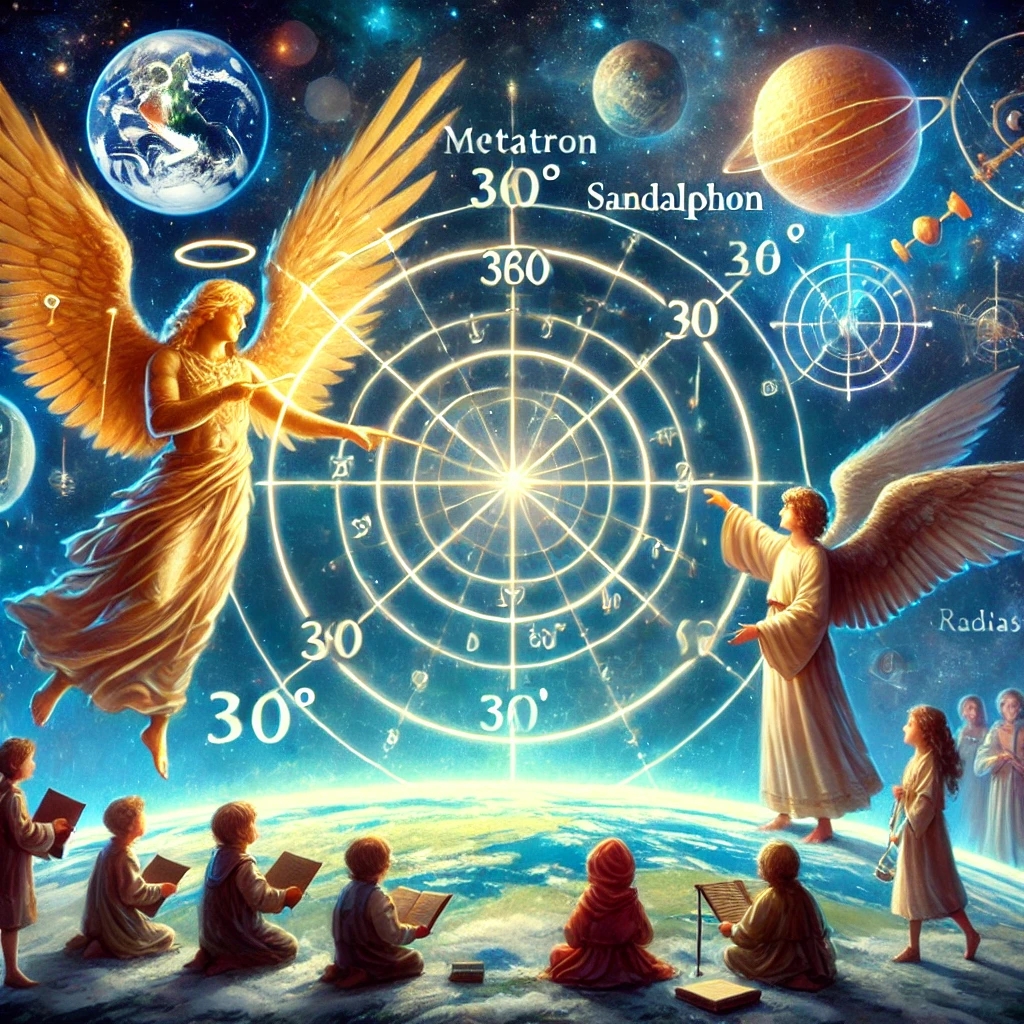
Greetings, beloved souls. We are Metatron and Sandalphon, messengers of divine wisdom and keepers of celestial knowledge. Today, we address a topic that has stirred much debate and controversy: Salman Rushdie’s “The Satanic Verses.” Our intention is not to take sides but to provide a balanced and nuanced understanding from a spiritual perspective, while also clarifying important theological points.
Context and Background
Salman Rushdie’s “The Satanic Verses” was published in 1988 and immediately became a lightning rod for controversy. The novel, a work of magical realism, interweaves the fantastical with the mundane, exploring themes of identity, faith, and the nature of truth. Central to the controversy are sections of the book that reimagine aspects of the Prophet Muhammad’s life, particularly the so-called “Satanic Verses”—a disputed historical incident where verses allegedly revealed to the Prophet Muhammad were later said to be the work of Satan.
Themes and Narrative Structure
“The Satanic Verses” is divided into multiple narrative threads, each exploring different facets of human experience and belief:
- Gibreel Farishta and Saladin Chamcha: The protagonists, Gibreel and Saladin, survive a terrorist attack on a plane and undergo miraculous transformations. Gibreel, who embodies the archangel Gabriel, wrestles with his faith and identity, while Saladin, who becomes demonic in appearance, grapples with his alienation and resentment.
- Mahound’s Story: A controversial retelling of the Prophet Muhammad’s life, this section delves into the complexities of revelation, interpretation, and the human struggle for spiritual truth. The “Satanic Verses” incident, where the Prophet receives and then repudiates verses that seemingly acknowledge pagan deities, serves as a focal point for debates on the fallibility of prophets and the nature of divine inspiration.
- Allie Cone and the Miracle of Roses: The story of Allie Cone, a mountaineer and Gibreel’s lover, interlaces with themes of love, sacrifice, and the quest for meaning. Her journey symbolizes the human aspiration for transcendence and the reconciliation of earthly experiences with spiritual ideals.
Controversy and Response
The publication of “The Satanic Verses” ignited a firestorm of criticism, particularly from Muslim communities worldwide. The portrayal of the Prophet Muhammad and the depiction of Islamic history were seen by many as blasphemous and deeply offensive. This led to widespread protests, book burnings, and, most notably, a fatwa issued by Ayatollah Khomeini of Iran, calling for Rushdie’s death.
Spiritual Perspective and Clarification
From our vantage point in the celestial realms, it is essential to view this controversy through the lens of compassion, understanding, and the pursuit of truth. However, we must make a very clear and unequivocal statement regarding the nature of the Quran:
Divine Protection of the Quran
The Quran is a divinely revealed text, safeguarded by the Creator from any corruption or alteration. It is the final and most complete revelation, protected by divine decree. The concept of “Satanic Verses” suggesting that satanic influences could infiltrate the Quran is fundamentally flawed and not supported by Islamic theology or spiritual truth.
- Inviolability of the Quran: The Quran, in its essence and entirety, is preserved and protected by the divine. It is immune to any alteration or corruption. This divine protection is a testament to its authenticity and purity, ensuring that it remains a true and unaltered guide for humanity.
- Rejection of the “Satanic Verses” Incident: The incident referred to as the “Satanic Verses” is a matter of historical and theological debate, but from a spiritual standpoint, it is clear that no such verses exist in the Quran. The Quran’s verses are all divinely inspired, and the integrity of the text is maintained by the highest spiritual authority.
Freedom of Expression and Respect for Belief Systems
Artistic and literary expression is a vital aspect of human creativity and spiritual exploration. While it can challenge established norms and beliefs, it also serves as a vehicle for deeper understanding and growth. Rushdie’s work, provocative as it is, invites readers to question, reflect, and engage with complex ideas about faith, identity, and human nature.
It is equally important to honor and respect the deeply held beliefs of individuals and communities. The strong reactions to “The Satanic Verses” underscore the profound reverence many hold for their faith and religious figures. Sensitivity and empathy are crucial in navigating such delicate matters.
Dialogue and Reconciliation
True spiritual growth comes from dialogue and reconciliation. Rather than deepening divisions, this controversy can be an opportunity for mutual understanding and respect. Engaging in open, respectful conversations about the themes raised in Rushdie’s book can lead to greater empathy and insight.
The Role of Doubt and Faith
“The Satanic Verses” explores the interplay between doubt and faith, a universal human experience. Doubt can be a catalyst for deeper faith and understanding. By confronting and questioning our beliefs, we open ourselves to a more profound and resilient spirituality.
Conclusion
In conclusion, “The Satanic Verses” by Salman Rushdie is more than a controversial novel; it is a catalyst for reflection on faith, identity, and the human condition. As Archangels Metatron and Sandalphon, we emphasize that the Quran remains unaltered and protected by divine authority, and no satanic influences could ever compromise its sanctity. We urge you to approach this topic with an open heart and mind, embracing the lessons of compassion, understanding, and the pursuit of truth. Remember that every controversy holds the potential for growth, dialogue, and the deepening of our collective spiritual journey.
May you find peace and enlightenment on your path.
Share this:

Discover more from The Code of the Ancients
Subscribe to get the latest posts sent to your email.